Monthly Relationship Check-In Questions for Couples

Key takeaways
- A short, regular check-in catches small problems early and helps partners keep up with each other’s changing wants.
- Keep it kind and short: pick a calm time, take turns, listen first and end on something warm.
- The 30 questions below are a menu, not a test. Pick three or four each time.
Why a regular check-in helps
Most couples talk all the time about logistics: who is picking up the kids, what is for dinner, which bill is due. Far fewer sit down and talk about the relationship itself. They wait until something feels wrong. By then, a small worry has often grown into a big one.
A regular check-in changes that. It makes talking about “us” a normal habit, not an emergency. Small things get named early. Good things get noticed too. And when something is hard, you already have a calm place to bring it. The Gottman Institute describes small everyday moments of connection, which it calls bids, and reports that happy, stable couples turn toward each other’s bids far more often than couples who later separate (Gottman).
Choose a time and place
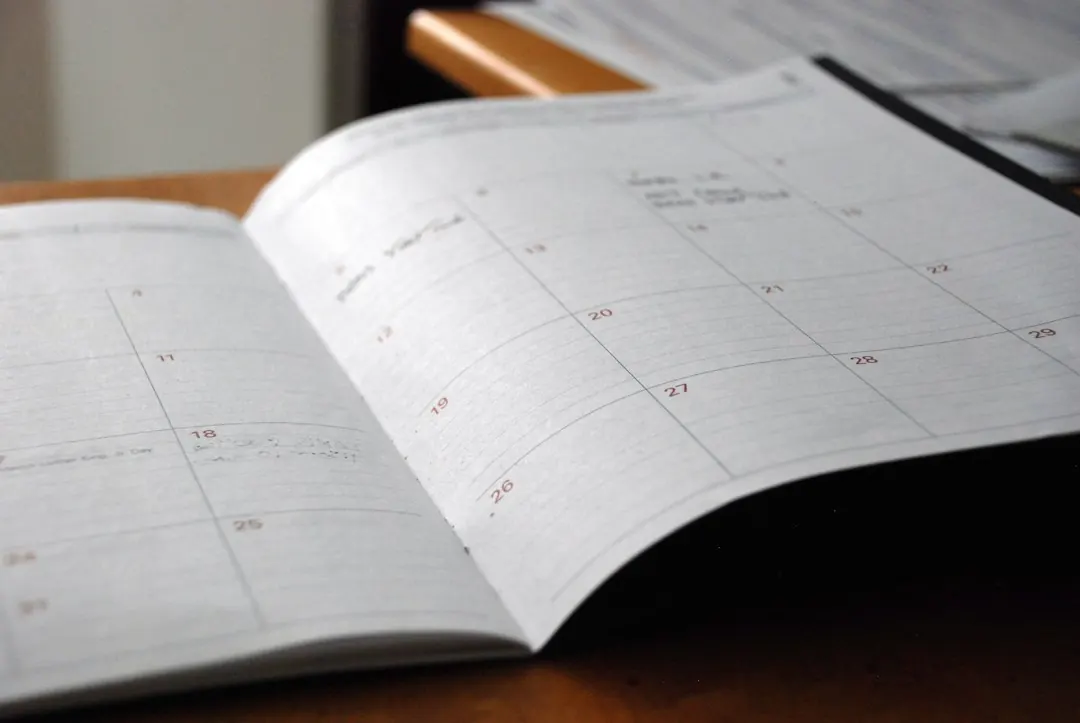
A good check-in needs a calm moment. Pick a regular time, such as the first Sunday of the month, and put it in both calendars. Choose a place that feels relaxed, like the sofa, a walk or a coffee shop. Turn off screens. Make sure you are not rushed, hungry or tired.
Avoid doing it in bed, right after an argument or just before something stressful. And keep it short. Twenty to thirty minutes is plenty. If you keep it light and brief, you will be more likely to keep doing it.
Ground rules for a kind conversation
A few simple rules make a big difference.
- Take turns. One person talks while the other listens, then switch.
- Start gently. Begin with something you appreciate or a feeling, not a complaint.
- Use “I” statements. Say “I felt lonely on Tuesday,” not “You ignored me.”
- No fixing right away. Listen first. Solutions can come later.
- Either of you can pause. A break is not avoiding the topic.
- End on something warm. Finish with thanks, a hug or a small plan to look forward to.
If you want more help with difficult moments, our guide on talking after a hard conversation about desires explains how to repair and reconnect.
Questions about feeling close
- When did you feel closest to me this month?
- What is one small thing I did that made you feel cared for?
- Is there a moment you wish had gone differently?
- What helps you feel understood by me?
- What is one thing you would like more of in how we spend time together?
Start here if you are new to check-ins. They are warm, easy to answer and set a kind tone for everything else.
Questions about daily life and stress
- How are you really doing right now, apart from the to-do list?
- What has been the hardest part of your month?
- Is there anything I could take off your plate?
- Do we have enough time just for the two of us?
- What is one thing you are looking forward to?
Relationships do not live in a bubble. Work, family, health and money all press on them. Naming the pressure together helps you face it as a team, rather than turning it on each other.
Questions about wants and curiosity
- Is there something new you would like us to try or talk about?
- Is there something that used to feel good that does not any more?
- What is something you are curious about but nervous to say?
- Do you feel free to tell me what you want?
- Has anything about what you enjoy changed lately?
These are the questions that keep curiosity alive. Preferences change over time, as our guide to whether your archetype can change explains, and a check-in is a gentle place to notice it. If you are not sure how to raise a new idea, read how to talk to your partner about trying something new.
Questions about limits and comfort
- Is there anything you want me to know about your limits right now?
- Has anything felt uncomfortable that we have not talked about?
- Do you feel safe saying no to me?
- Is our way of stopping or pausing still working for you?
- Is there anything we agreed on that you would like to change?
Limits are not fixed. A quick monthly review keeps them current and shows that a no is always welcome. Our guides to setting boundaries and limits and safe words offer more on this.
Questions about trust and care afterward
- Do you feel I listen to you?
- Is there anything I could do to help you feel more secure?
- After we have been close, do you get what you need from me?
- Is there something you would like me to ask you more often?
- What is one way I can be more reliable for you?
Trust is built from small moments. These questions help you notice what is working and what could be better. Our guide to aftercare and our article on trust and vulnerability explain why care after close moments matters so much.
Questions for fun and appreciation
- What made you laugh this month?
- What are you proud of in us?
- What is one thing you love about our life together?
- What is one thing we could do just for fun?
- What would you like to say thank you for?
Do not skip this part. Many couples forget to enjoy each other. Ending on gratitude and fun leaves both people feeling warm, which makes the next check-in easier. A simple “thank you for this” at the end is a lovely way to close.
How to use these questions
You do not need to answer all 30 each month. Choose three or four, and let the talk go where it goes. Some couples pick one question from each group. Others let each person choose two. Over a few months, you will have covered most of them, and the answers will keep changing.
If something hard comes up, write it down and agree on a time to talk about it properly. Do not try to solve everything in one evening. And if the same problem keeps appearing, it is a good sign that you may want more support. A couples therapist who is informed about sexual diversity can help, and our guide to how to find a kink-aware therapist shows where to start.
A sample check-in, start to finish
Here is how one could go, in about twenty-five minutes. You pour two drinks and sit side by side. Each of you says one thing you appreciated about the other this month. Then you pick three questions, perhaps one about feeling close, one about stress and one about wants. One person answers while the other listens and reflects back what they heard, with something like “It sounds like you felt tired and a bit alone.” Then you swap. If something needs more time, you write it down and set a day to talk. You finish with a hug and a plan for something small and fun, like a walk on Saturday. That is all. It is simple, and it works.
What to do when a check-in feels awkward
Many couples find the first few check-ins a bit stiff. That is normal. It feels odd to schedule a talk about feelings. Try making it cozy: a favorite drink, a blanket, soft music. Start with the easy questions and save the harder ones for later. If one of you freezes, take a breath and try again, or write answers down first and swap notes.
If a check-in ends badly, do not give up. Say, “That was hard. Let us try again next month with fewer questions.” Over time, the habit becomes easier, and the awkwardness fades. The goal is not a perfect talk. It is showing up.
Tips for keeping it going
A few small tricks help it stick. Put it in the calendar. Link it to something you already do, like a monthly dinner. Keep the questions on your phone. Take turns choosing the questions. Celebrate when you do it, even briefly. And be flexible: if a month gets away from you, simply pick it up the next month without guilt.
Make it a habit
The real power of a check-in is not any single question. It is the habit. A few quiet minutes, each month, to say “I care how this is going for you,” can change the way a relationship feels over time. If you want a fun way to start, take the kink test separately, then use our guide to taking the test as a couple to compare results. And when you want ideas for the next step, our guide to compatibility shows how different styles can fit together.
Start small. Pick a date, pick three questions and see how it goes. You may be surprised by how good it feels.
These check-ins work well over video too; see kink and long-distance relationships for more.
Take the free kink test and get your own 5-dimension breakdown in about two minutes.
Frequently asked questions
How often should we do a check-in?
Monthly works well for many couples. If you are going through a big change, you might do it weekly for a while. The best schedule is one you will actually keep.
How long should it take?
Aim for 20 to 30 minutes. Short and regular beats long and rare.
What if it turns into an argument?
Pause. Agree to take a break and come back later. Use a gentle start next time, and pick one topic at a time.
Do we need to cover everything every month?
No. Pick a few questions each time. Over a few months you will have covered a lot.